#1 Energy efficiency
LED light bulbs are a great way to save some dollars on your energy bills. With an average of 80% less energy usage compared to incandescent lights, halogens and CFLs, LEDs help cut costs and conserve power.
#2 Environmentally safer
It’s estimated that almost half of our carbon footprint is caused by electricity consumption, with 25% coming solely from lighting. LED bulbs can use up to 90% less power than regular bulbs; this simple change could significantly reduce your CO2 emissions and lessen your environmental impact.
LED lighting isn’t only kind to the environment when in use, its construction process is also eco-friendly. Unlike other traditional sources like fluorescent and mercury vapour lights that contain hazardous materials such as mercury, LED bulbs do not require any special treatment at their end of life – making them a safe option for you and your planet.
#3 Lifespan
LED lights bring us years of light and energy efficiency, but how long do they actually last? The average lifespan of an LED is typically, on average, up to 50,000 hours.
That’s about 50 times longer than an incandescent light, 20+ times longer than a halogen and 8-10 times longer than a typical CFL energy saving bulb.
Switching on LED bulbs 8 hours per day means you won’t need to change a bulb for over 11 years! Now that’s impressive efficiency.
#4 No heat or UV emissions
Have you ever tried to replace an incandescent light bulb as soon as it goes out? If so, then you know how hot they can get when in use. While traditional lighting sources like these expend up to 90% of their energy for heat production and just 10% on providing actual illumination, LED lights stay cool since nearly all the energy is devoted solely towards producing light.
#5 LED lights allow for design flexibility
LEDs are particularly versatile, starting as an indicator light in circuit boards before branching out to be much more. You can create a classic bulb look by bunching multiple LEDs together or line them up for sleek strips of illuminating light – the possibilities are endless.
LED lights can be so small you can use them for illuminating everything from a cupboard in your home to floodlights at the Suncorp stadium!
#6 Different colour options with LED lighting
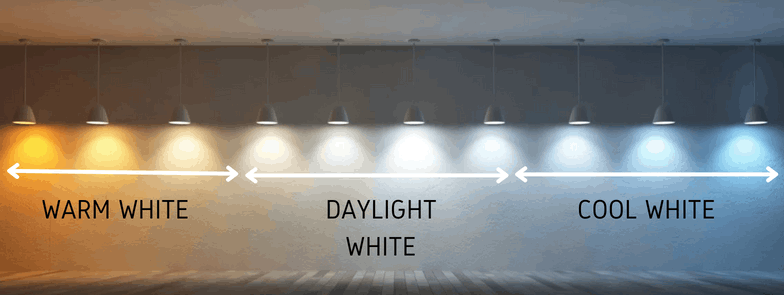
Illuminating a room can be much more than just flicking on a light switch. Choosing the right lighting, along with an appropriate colour temperature, has the power to transform any space and create entirely new atmospheres; from cosy and warm for relaxing nights in, to bright and energising that help motivate during work hours.
LED lights are typically available in 3 temperature options:
- Warm white
- Daylight white
- Cool white