- Service Areas – Throughout Newcastle, Lake Macquarie & The Hunter
- 0414 779 047
- willec.electrical@gmail.com


In a power outage, what should you do?
May 14, 2023What are the reasons for my electricity bill being so high?
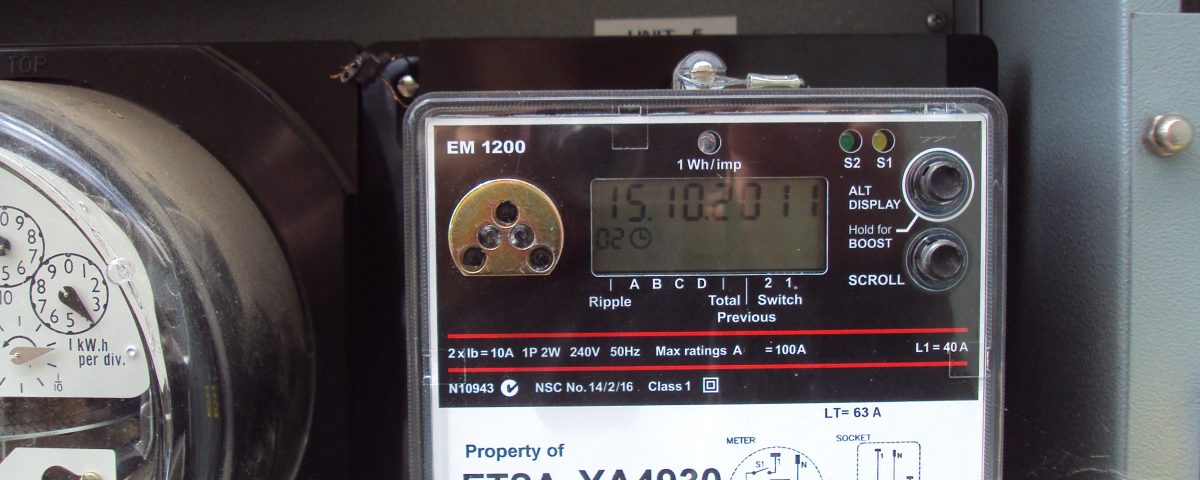
Have you ever been surprised by an unusually high electricity bill? There are several reasons why this can happen, and in this article, we will examine some of the most common ones and suggest solutions.
Fluctuations in your electricity bill are normal, and they can be caused by various factors such as weather changes and the number of people in your household. However, by learning how to manage some of these factors, you can reduce the extent of the fluctuations and better control your electricity costs.
There are typically three main factors that can cause a high electricity bill, including actual energy usage in the home, issues with the energy bill, and issues with solar PV panels (if you have any). While it can be easy to assume that the cause of a high electricity bill is an incorrect utility meter, power theft, or a faulty appliance, these occurrences are actually very rare according to us here Willec Electrical.
Appliances can be such a great add-on to your home. They can make or break a space. Yet, when it comes to their practical usage, they can easily lead to a high electricity bill. Whether old or new appliances, they might use more energy than you first realised.
The good news is that you can find out how much energy your appliances use at Energy Rating Government Calculator.
Let’s have a look at how appliances can impact your electricity bill.
Have you recently installed a new appliance? New additions to the home can be exciting but using a new appliance for the first time can impact your electricity consumption. For example, a new washing machine, when used regularly, will produce a change in energy usage. Thus, it can lead to a high electricity bill.
The energy usage will depend on the frequency and the size of the appliance. If you have recently upgraded an appliance, it might take a while before you recognize the energy impact the appliance has on your home.
With the passing of time, older appliances might become an increasing burden. They might require more energy usage to achieve proper functioning, or in the case of a stove or even a washer or dryer, they might require more energy to achieve the right temperature.
Let’s talk about the refrigerator. This is not only an essential appliance in a household, but it is also an appliance that requires high energy. Although most modern refrigerators are now more energy-efficient, an older model can be quite energy-intensive. If you have a surprisingly high electricity bill, it might be time to upgrade an appliance.
Air conditioning, especially ducted air conditioning, can account for more than half of an electricity bill for both homes and businesses. Ducted air conditioning uses a lot of power and can consume 5kW of electricity in a regular household. While the cost of one kWh might not seem significant, it can add up quickly when you consider the number of hours per day and days per year. Similarly, ducted gas heating can also be energy-taxing as they consume natural gas or LPG and require electricity to power air circulation fans.
Implementing these air-conditioning tips can help reduce your high electricity bill:
Electric water systems are a significant contributor to household energy usage, accounting for almost one-third of the total. Malfunctions in the system, such as water leaks, extra-long showers, or inefficient water fixtures, can easily lead to a high electricity bill. Electric hot water tanks are common, while pool and spa water heaters are less so but can consume up to ten hours of electricity per day. To reduce your electricity bill, insulate the pipework around the tank, fix any leaks, set low set-points for pools and spas, switch off hot water devices when not in use, and install efficient water fixtures.
Electric heaters, including portable ones, can consume a lot of energy, leading to high electricity bills. Invisible heaters like heated towel rails, underfloor electric or hydronic heating can also contribute to high energy usage. Clothes dryers and electric or gas ovens are other appliances to watch out for. To save energy, use timers or thermostats, make use of natural heat to dry clothes, and choose conductive heaters over electric blankets.
By only running the fan when needed, you can avoid unnecessary energy usage. Additionally, programming a variable speed drive can help regulate the fan’s operation and minimize its power consumption during peak hours. Finally, using a heat exchanger system can help you recover some of the conditioned air that the ventilation fan may be removing from your home, reducing your overall energy use and improving your home’s indoor air quality.
Here are some additional tips related to water pumps:
Nowadays, most modern refrigerators are designed to be energy-efficient and consume less power. However, having multiple refrigerators in a household can increase your electricity bill significantly. Therefore, it’s recommended to use only one fridge with close to full capacity to maximize its efficiency.
If you have additional drink fridges or coolers, you can save energy by placing them on a plug-in timer. This will allow you to control when they are turned on and off, which can help reduce unnecessary energy consumption. Additionally, make sure to keep your refrigerator in a cool, shaded area, away from direct sunlight or other heat sources, as this can cause it to work harder and consume more energy. Finally, regularly defrosting your fridge and keeping its coils clean can help it operate more efficiently.
Lighting Tips:
maintaining and monitoring your solar PV panels to ensure they are performing optimally and producing the energy you expect. Regular maintenance can also extend the lifespan of your solar panels and prevent potential issues from becoming bigger problems. It’s also important to keep track of your energy production and usage to make sure you are getting the most out of your solar panels.
Check your inverter once every quarter and write down the total figure. Once you have kept track for a year, you can compare the total to a solar output calculator to see whether the numbers fall within a fair range.
seasonal changes can definitely impact your electricity bill. Here are some tips to help you manage your electricity usage during seasonal changes:
By implementing these tips, you can reduce your energy usage and ultimately save money on your electricity bill during seasonal changes.